

Pre-Monsoon Mosquito
Larvacide Community Drive
A 12-day, 6-week systematic anti-mosquito campaign across Subhasgram — treating breeding sites, educating households, and protecting thousands of residents from dengue and malaria before the 2026 monsoon.
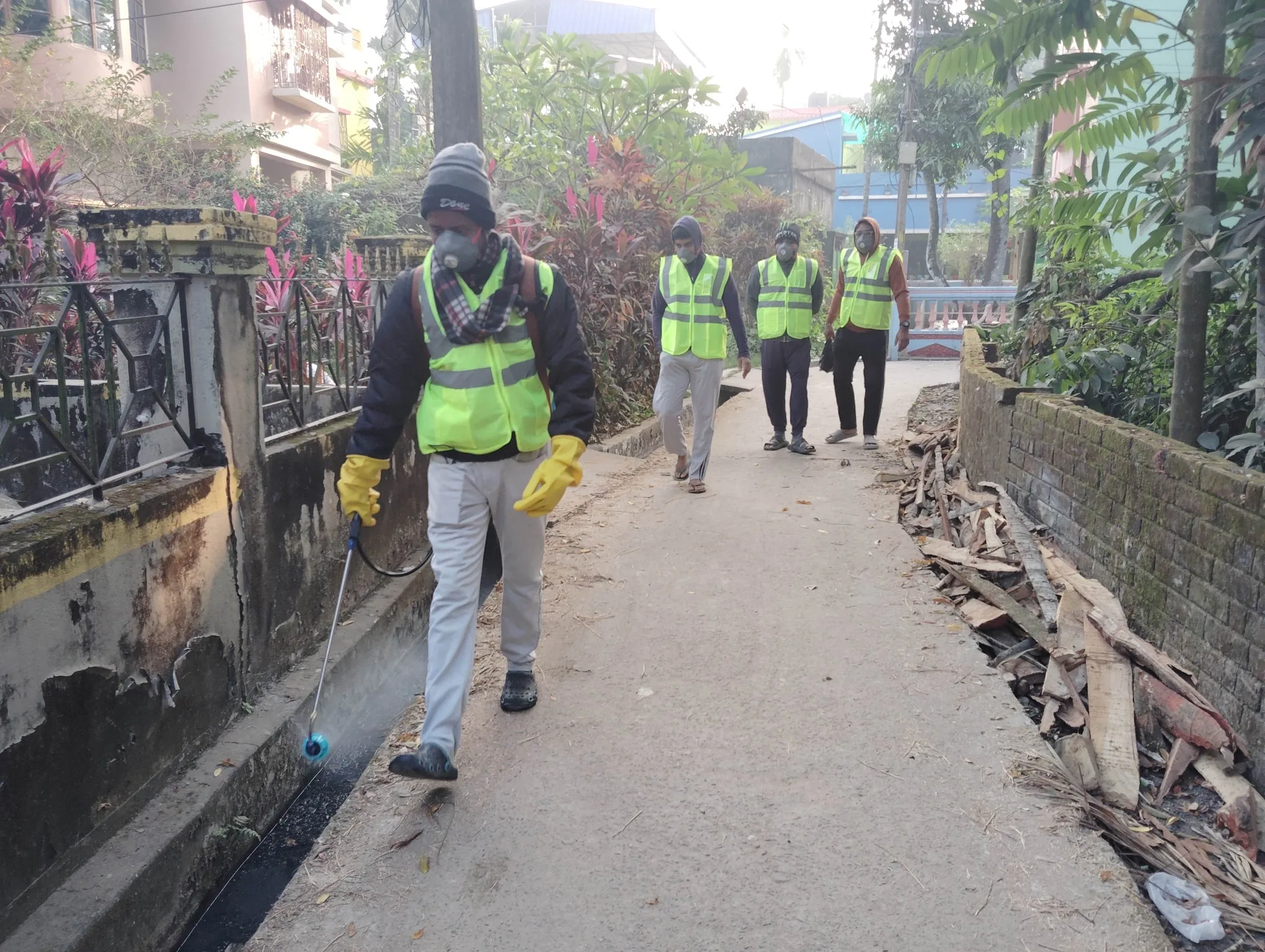
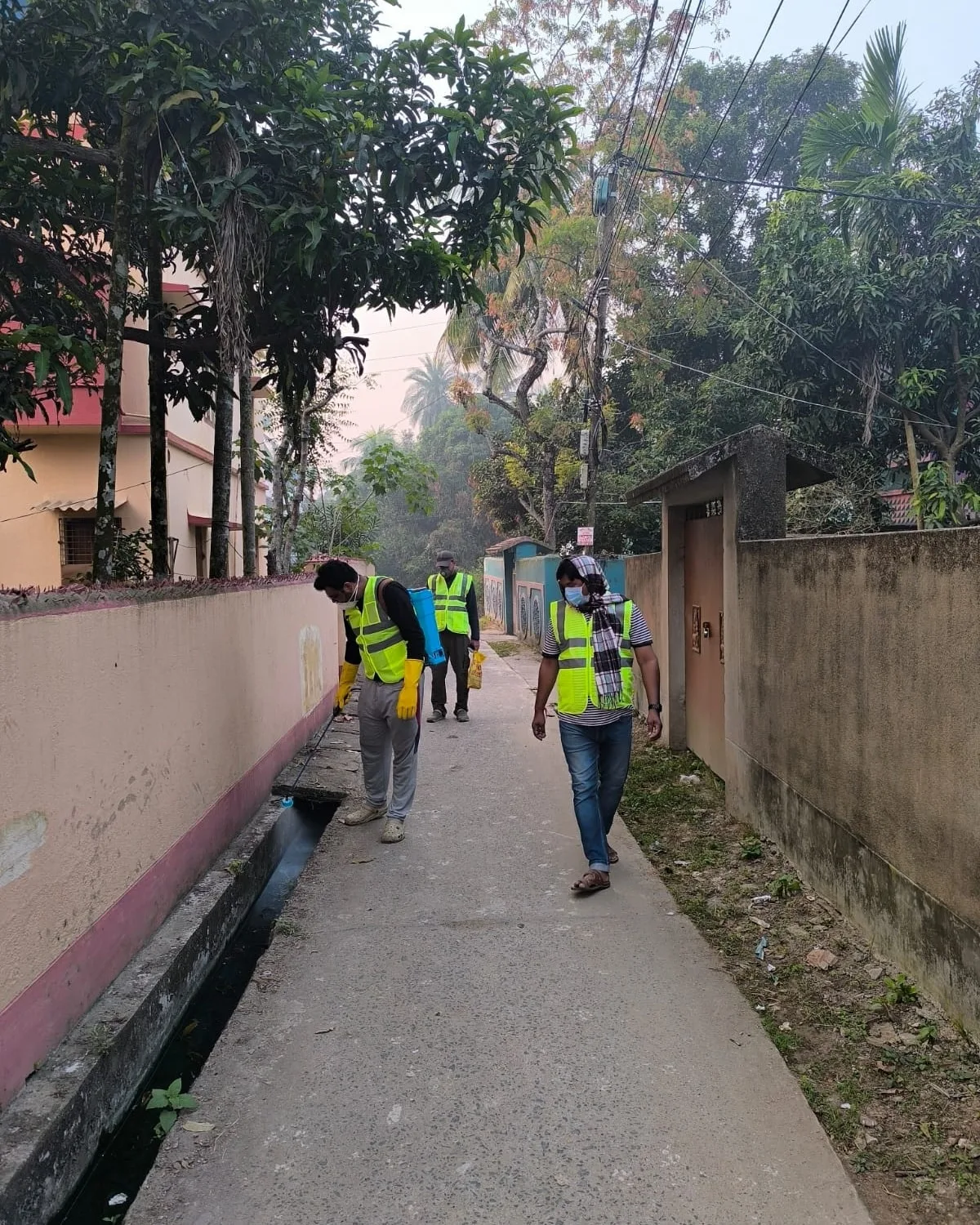
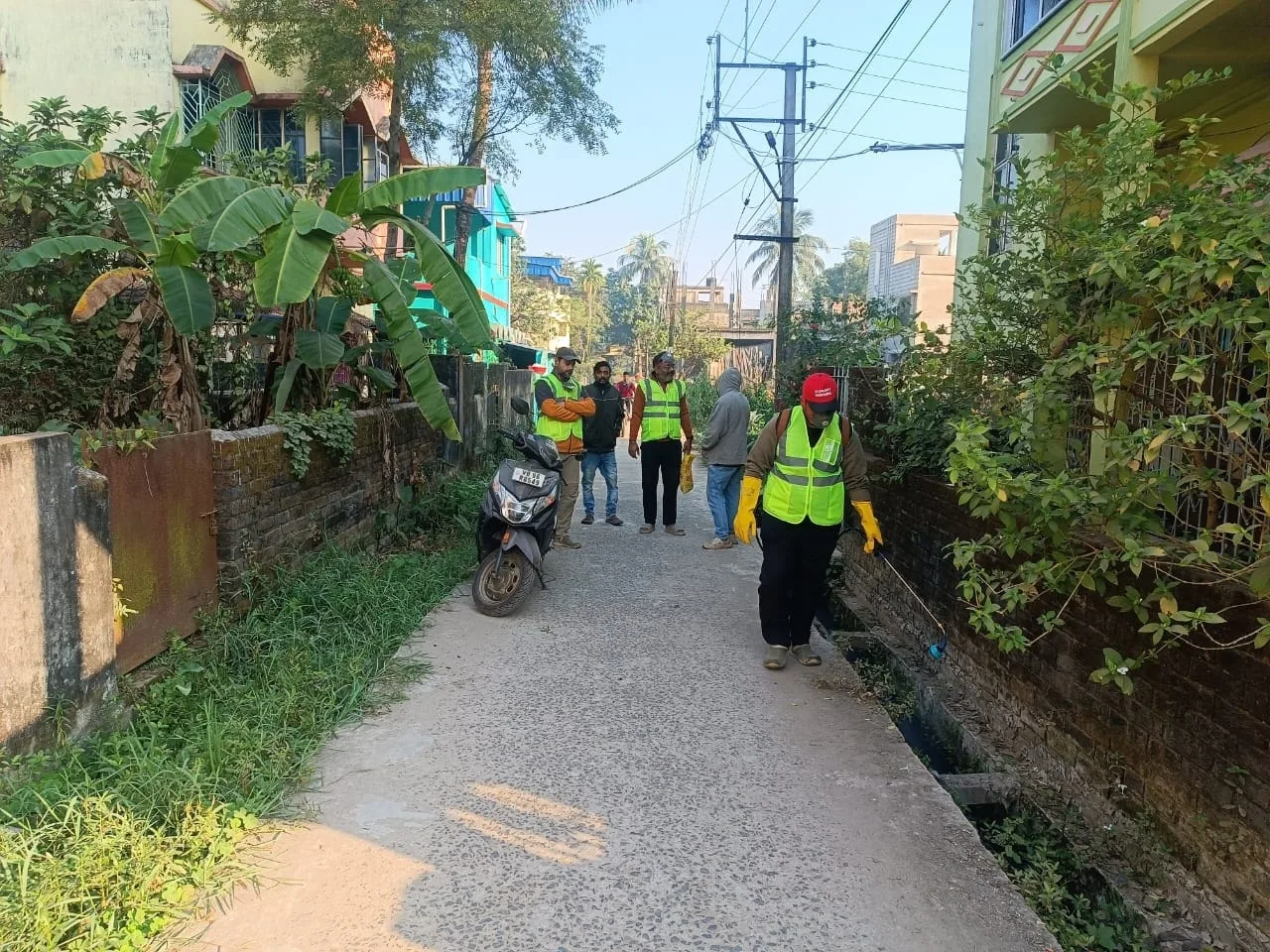
Youth Forum volunteers conducting the Pre-Monsoon Larvacide Drive · Subhasgram, 2026
📅
12
Drive Days
🗓️
6
Weeks of Activity
🔁
2×
Treatments/Week
💚
0
Cost to Community
About the Drive
Every year, as the monsoon approaches, Subhasgram faces a surge in mosquito populations — bringing with it the very real threat of dengue fever and malaria. Stagnant water in drains, construction sites, rooftop tanks, and neighbourhood potholes become breeding grounds that are impossible to eliminate once the rains begin.
Youth Forum's Pre-Monsoon Larvacide Drive takes the fight to mosquitoes before the season — targeting larvae in the water, eliminating them before they can grow into biting adults. This year's drive ran for 12 active days over 6 weeks, conducted twice weekly from early March to April 20, 2026.
Trained Youth Forum volunteers, equipped with government-approved larvicide agents, covered every identified risk zone across the community — from residential drains to construction debris pools — at no cost to residents.
Drive Timeline
Week 1–2
Mar 9 – Mar 20
Ground survey, breeding site mapping, community alerts
Week 3–4
Mar 23 – Apr 3
First larvicide round — all identified drains and water bodies treated
Week 5–6
Apr 6 – Apr 17
Second larvicide round — repeat treatment, rooftop and construction site focus
Final Day
Apr 20
Final inspection, post-drive review, community feedback collection
✓ DoneOur Approach
Larvicide Application
Safe, government-approved larvicides were applied to stagnant water bodies, open drains, construction site puddles, and clogged gutters — disrupting the larval stage of the mosquito lifecycle before adult mosquitoes could emerge.
- ✓Targeted water-surface larvicide granules applied to ponds and drains
- ✓Temephos-based solutions applied to domestic water storage containers
- ✓Biological larvicide (Bacillus thuringiensis) used in sensitive areas near food and drinking water
- ✓Repeat treatments at 7-day intervals to break the breeding cycle
Breeding Site Identification & Mapping
Volunteers conducted a systematic ground survey of the Subhasgram area before the drive to map high-risk mosquito breeding locations — ensuring no hotspot was missed.
- ✓Street-by-street inspection of open drains, potholes, and construction debris
- ✓Identification of rooftop water collection points and stagnant terrace pools
- ✓Marking of high-density risk zones for priority treatment
- ✓Community alerts shared with residents near identified hotspots
Community Awareness & Participation
The drive was not just a treatment campaign — it was a community education effort. Volunteers spoke to residents at every stop, teaching them how to prevent mosquito breeding in their own homes.
- ✓Door-to-door awareness about removing stagnant water from households
- ✓Free distribution of mosquito repellent coils and nets to vulnerable families
- ✓Guidance on covering water storage containers and cleaning roof gutters
- ✓School visits to educate children about dengue and malaria prevention
🦟 Why Pre-Monsoon Treatment Matters
40 Cr+
Dengue cases reported globally each year
WHO Estimate
1 week
Time for a mosquito egg to become a biting adult
Why weekly drives matter
90%
Reduction in breeding potential through early larvicide use
Field studies, Vector Control
5 m
Radius around a stagnant water source where you are most at risk
NVBDCP Guidelines
Treating mosquito larvae before the monsoon is 10× more effective than reactive fogging after an outbreak. Youth Forum's pre-monsoon strategy targets the root cause — not the symptom.
Protect Your Home — What You Can Do
Empty flower pots, cooler trays, and buckets that collect rainwater — even small amounts breed larvae.
Cover overhead water tanks and ensure lids fit tightly — open tanks are prime breeding grounds.
Clear leaves and debris from roof gutters regularly, especially before and during the monsoon.
Don't let drains stay blocked. Clear them before the monsoon to prevent stagnant water pooling.
Use mosquito nets at night and apply repellent during peak activity hours (dusk and dawn).
Report stagnant water in public spaces to Youth Forum or local municipality for prompt treatment.
Volunteer for the Next Drive
We run vector control drives before every monsoon season. Join our volunteer team and help protect your community from dengue and malaria.
Drive Details
Drive Period
Mar 9 – Apr 20, 2026
Total Active Days
12 Days
Frequency
Twice Weekly
Area Covered
Subhasgram & surrounds
South 24 Parganas, Kolkata
Category
Health, Community Welfare
Organised by
Youth Forum
Cost to Community
₹0 — Completely Free
Status
✓ Successfully Completed
Previous Drive
Youth Forum ran a 5-month vector treatment programme (Nov 2024 – Mar 2025), using thermal fogging and larvicide across Pragatipally.
View 2024–25 Drive →Join the Next Drive
Pre-monsoon drives are held every year. Sign up as a volunteer and protect your neighbourhood.
Volunteer →Fund a Drive
₹5,000 funds larvicide supplies and protective equipment for one full round of community treatment.
Donate Now →Have Questions?
Contact us to report a mosquito breeding site, volunteer, or arrange a treatment in your area.
Contact Youth Forum →Join the Youth Forum Family
As a volunteer or member, you'll work directly with communities in Subhasgram — organizing health camps, teaching underprivileged children, distributing supplies, and being part of something truly meaningful. Every hand matters.
"Seva, Shiksha, O Sanskriti" — Service, Education, and Culture.